

UPHOLSTERY CARE GUIDE
You vacuum your couch, treat a stain with fabric cleaner, or wash a removable cushion cover. The furniture looks better for a while, but the armrests still seem dingy, a stain returns, or an unpleasant odor remains.
Quick Answer: At-home upholstery cleaning is useful for routine maintenance, but it doesn’t always remove accumulated oils, embedded soil, or contamination beneath the fabric surface. Some problems require a different cleaning method, while others aren’t caused by dirt at all.
Many homeowners don’t realize that sofas, sectionals, loveseats, and upholstered chairs can be professionally cleaned. Understanding the difference between surface maintenance and more thorough cleaning can help you decide what your furniture actually needs.
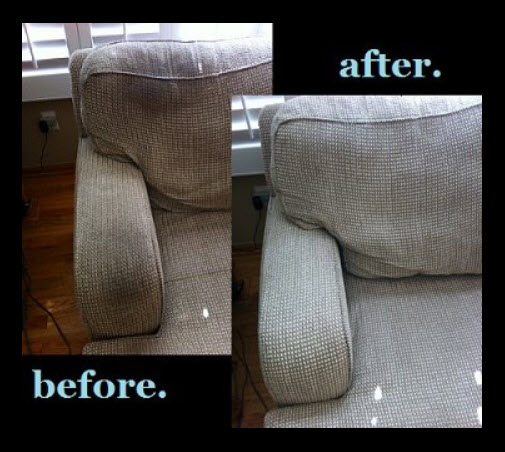
What Can You Accomplish by Cleaning Upholstery Yourself?
Vacuuming, spot cleaning, and washing manufacturer-approved cushion covers can help maintain furniture between professional cleanings. Each method has a specific purpose and limitations.
Vacuuming
Removes crumbs, dust, loose dirt, and pet hair. It may not remove body oils, bonded soil, or stains.
Fabric Cleaning Sprays
Can treat certain spots on compatible fabrics but may leave residue or cause damage when used incorrectly.
Washing Covers
Refreshes removable cushion covers when the manufacturer specifically allows laundering.
Professional Cleaning
Addresses broader soil buildup and certain stains using methods suited to the fabric and furniture condition.
Regular vacuuming and prompt attention to spills are valuable. Professional upholstery cleaning complements routine maintenance rather than replacing it.
Why Does Your Couch Still Look Dirty After Cleaning?
A couch can appear dirty for several reasons. Understanding the cause helps determine whether additional cleaning is likely to make a difference.
Body Oils and Dirt Build Up in High-Use Areas
Armrests, seat cushions, and headrests receive frequent contact with skin, clothing, and everyday debris. Over time, oils and soil can attach to upholstery fibers. Vacuuming removes loose particles but may not remove buildup bonded to the material.
Spot Cleaning Can Leave Uneven Results
Treating one stain doesn’t clean the surrounding upholstery. The treated area may look different from the rest of the furniture. Excess product or moisture can also cause residue, water marks, or uneven discoloration.
Odors May Come From Beneath the Surface
Spills and pet accidents can reach cushion filling or backing materials. Spraying deodorizer may temporarily change the smell without addressing its source. Deep contamination may require specialized attention and cannot always be removed completely.
Common Upholstery Problems: What They May Mean
Before buying another cleaner or replacing your couch, look at what you’re noticing. These are possible explanations, not a diagnosis of your furniture.
| What You Notice | Possible Explanation | What to Consider |
|---|---|---|
| Dark armrests | Body oils and accumulated soil | Professional cleaning may help if the fabric is suitable. |
| A returning stain | Residue, remaining contamination, or moisture movement | Have the cause evaluated before repeated treatment. |
| Changed cushion covers | Shrinkage, color changes, or altered texture | Check manufacturer laundering instructions. |
| Odors after spraying | Odor source remains in fabric or padding | Determine whether the affected material can be cleaned. |
| Faded-looking fabric | Sun exposure, wear, or permanent dye changes | Cleaning cannot restore lost color. |
| Flattened cushions | Deteriorating foam or internal construction | Cushion repair or replacement may be needed. |
Key distinction: Cleaning may improve removable soil, but it cannot reverse permanent changes to upholstery fabric or furniture construction.
Can You Wash Removable Couch Cushion Covers?
A zipper doesn’t automatically mean a cushion cover is machine washable. Some removable covers are intended for manufacturing, cushion adjustment, or replacement rather than laundering.
Washing without manufacturer approval can cause shrinkage, color bleeding, texture changes, or damage to the fabric backing. Check the furniture manufacturer’s care instructions before attempting to wash any cover.
What Do Upholstery Cleaning Codes Mean?
| Code | General Cleaning Guidance |
|---|---|
| W | Water-based upholstery cleaning methods may be suitable. |
| S | Requires an appropriate water-free cleaning solvent. |
| W/S or S/W | Certain water-based or solvent-based methods may be appropriate. |
| X | Vacuum or lightly brush only; avoid liquid cleaning products. |
Important: Even upholstery marked W is not automatically machine washable. Follow the manufacturer’s specific instructions. If the label is missing or unclear, consult the manufacturer or a qualified upholstery professional before cleaning.
When Should You Consider Professional Upholstery Cleaning?
Professional cleaning may be worth considering when regular maintenance no longer improves the furniture’s appearance.
- Armrests, headrests, or cushions remain soiled after vacuuming.
- Store-bought products haven’t improved persistent spots.
- Spot cleaning has left rings, residue, or uneven-looking fabric.
- Pet-related stains or odors remain after appropriate surface cleaning.
- Frequently used furniture has noticeable dirt or body-oil buildup.
- You’re unsure how to clean delicate or unfamiliar upholstery safely.
A professional cleaner can consider fabric type, furniture condition, stain history, and manufacturer restrictions before recommending a suitable cleaning approach.
What Professional Upholstery Cleaning Cannot Fix
Cleaning can improve the appearance of suitable furniture, but it cannot repair every problem. Sun fading, permanent dye changes, torn fabric, worn fibers, and deteriorating cushion foam generally require something other than cleaning.
When Cleaning May Be Worthwhile
Furniture is structurally sound, but accumulated dirt, oils, and certain stains are affecting its appearance.
When Repair or Replacement May Be Better
Fabric is torn, severely worn, permanently faded, or damaged internally. Cleaning will not restore the original structure or color.
How to Decide Whether Your Couch Needs Professional Cleaning
Is It Dirt or Damage?
Soil may respond to cleaning. Fading, tears, and worn cushions generally won’t.
What Have You Tried?
Make note of sprays, stain removers, laundering, and previous cleaning attempts.
What Does the Label Say?
Check care codes and manufacturer instructions before choosing a cleaning method.
Professional Upholstery Cleaning in Macomb and Oakland Counties
If you’ve tried vacuuming, fabric sprays, or other appropriate at-home cleaning methods but your furniture still looks dingy, professional upholstery cleaning may be the next step.
Duo Care Cleaning and Restoration provides upholstery cleaning for sofas, sectionals, loveseats, chairs, ottomans, cushions, and other upholstered furniture throughout Macomb County, Oakland County, and the Grosse Pointe area.
Our team considers fabric type, furniture condition, and specific cleaning concerns when discussing available service options.
Frequently Asked Questions About Cleaning Your Couch
These answers address common concerns about at-home upholstery care and when a professional evaluation may be appropriate.
Why does my couch still look dirty after vacuuming?
Vacuuming removes loose debris, but body oils, bonded soil, and certain stains may remain attached to upholstery fibers. Professional cleaning may help remove some of this buildup when the material is suitable.
Can upholstery cleaning sprays damage furniture?
Yes. Products that aren’t compatible with the fabric may cause discoloration, residue, water marks, or other damage. Always follow the manufacturer’s care instructions and product directions.
Does a removable cushion cover mean I can machine wash it?
No. Removable covers aren’t necessarily machine washable. Follow the manufacturer’s specific instructions rather than assuming a zipper or W cleaning code permits laundering.
When is professional upholstery cleaning worth considering?
Consider professional evaluation when furniture remains visibly soiled after routine maintenance, stains persist, or you’re uncertain how to clean delicate or unfamiliar upholstery. Cleaning suitability and results depend on the fabric, condition, and cause of the problem.