

UPHOLSTERY CARE & INDOOR AIR QUALITY
Your couch is more than a place to sit. It’s where families gather for movie nights, children take naps, pets curl up to sleep, and everyone settles in at the end of the day. In some households, it’s even a regular sleeping spot.
With that much daily contact, upholstery naturally collects body oils, skin flakes, dust, pet hair, dander, crumbs, and other particles. Much of this buildup isn’t immediately visible.
Quick Answer: Upholstery cleaning can remove accumulated soil, dust, and some allergen-containing particles from furniture. However, cleaner upholstery doesn’t automatically mean measurably cleaner indoor air or fewer allergy symptoms. Indoor air quality also depends on ventilation, humidity, filtration, and other pollutant sources.
Understanding what furniture cleaning accomplishes helps homeowners make informed decisions about upholstery maintenance and household dust control.
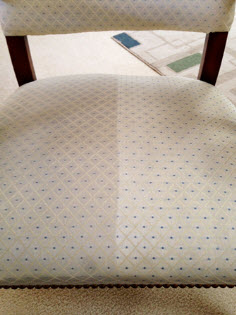
Why Couches Collect So Much Everyday Buildup
Unlike many household surfaces, couches receive prolonged contact from people and pets. Repeated use gradually deposits particles and oils on fabric, especially around cushions, seams, armrests, and headrests.
Family Gathering Spaces
Movie nights, snacks, homework, and everyday relaxation bring crumbs, clothing fibers, dust, and body oils into contact with upholstery.
Sleeping and Napping
Hours of contact with cushions and armrests can leave skin oils, perspiration, and everyday residues on the fabric.
Favorite Pet Resting Spots
Dogs and cats often return to the same cushions, depositing hair, dander, tracked-in dirt, and body oils.
Some loose particles may become airborne when furniture is disturbed. The amount varies with activity and conditions, so this does not establish a measurable effect on overall indoor air quality.
What Collects in Upholstered Furniture?
Fabric-covered furniture can collect several types of household material. Some are visible, while others accumulate gradually in fabric fibers and seams.
- Household dust: Particles from fabrics, clothing, skin, and everyday activities.
- Pet hair and dander: Material shed by pets that collects on cushions and upholstery.
- Pollen: Outdoor particles carried indoors on clothing, shoes, and pets.
- Dust mite allergens: Allergen-containing material that may be present in settled household dust.
- Crumbs and debris: Food particles and other material trapped in seams and crevices.
- Body oils and soil: Residue concentrated on frequently used seating surfaces.
Regular manufacturer-approved vacuuming helps remove accessible dust and debris before buildup becomes more noticeable.
Does Cleaning Your Couch Remove Allergens?
Cleaning can remove some dust and allergen-containing particles from upholstery. The amount removed depends on the furniture, cleaning method, and location of the particles.
Vacuuming removes accessible surface debris, while professional upholstery cleaning may address additional accumulated soil when the fabric is suitable for treatment. Neither method guarantees complete allergen removal.
Removing Allergens Is Not the Same as Preventing Allergies
Removing particles from furniture does not establish that airborne allergen levels have decreased or that someone’s allergy or asthma symptoms will improve. Upholstery cleaning is a furniture-maintenance service, not a medical treatment.
Vacuuming vs. Professional Upholstery Cleaning
Routine vacuuming and professional cleaning serve different purposes. Household air filtration addresses a different part of the indoor environment.
| Method | What It Can Do | Limitation |
|---|---|---|
| Regular vacuuming | Removes accessible dust, pet hair, and loose debris. | May not remove bonded soil and body oils. |
| Vacuum with appropriate filtration | Can help capture particles while limiting dust released during vacuuming. | Doesn’t eliminate all allergens or pollutants. |
| Professional upholstery cleaning | Can address accumulated soil and certain contaminants on compatible furniture. | Doesn’t guarantee measurable air-quality or health improvements. |
| Household air filtration | Can reduce certain airborne particles. | Doesn’t remove soil physically attached to upholstery. |
These approaches can complement one another. Routine furniture care should follow manufacturer instructions, with professional cleaning considered when ordinary maintenance is no longer sufficient.
What Can Upholstery Cleaning Actually Improve?
Cleaning claims can sound similar while describing very different outcomes. Here’s how to interpret several common statements.
| Common Claim | What Can Responsibly Be Said |
|---|---|
| Cleaning removes dust. | Appropriate methods can remove accumulated dust and debris from upholstery. |
| Cleaning removes pet dander. | Some dander-containing particles may be removed; complete removal isn’t guaranteed. |
| Cleaning eliminates allergens. | Too strong. Allergen-containing material can remain after cleaning. |
| Cleaning improves indoor air quality. | It may contribute to household dust management, but measurable improvements aren’t assured. |
| Cleaning prevents allergy symptoms. | Not an established general outcome of upholstery cleaning. |
| Cleaning disinfects furniture. | Ordinary cleaning doesn’t automatically provide verified disinfection. |
Cleaner-looking furniture, reduced settled dust, and measured indoor air quality are different outcomes. They should not be treated as interchangeable.
Can Upholstery Cleaning Remove Mold or Bacteria?
Ordinary upholstery cleaning should not be confused with sanitizing, disinfecting, or mold remediation. Cleaning primarily removes soil and unwanted material. Disinfection requires appropriate methods and validated product claims.
If furniture has been soaked by flooding or sewage, moisture and contamination may have reached padding or internal materials. Ordinary fabric cleaning may not be sufficient, and affected porous materials may need replacement.
Important: Furniture with visible mold, prolonged dampness, or suspected hazardous contamination should be evaluated before arranging ordinary upholstery cleaning.
What Else Affects Indoor Air Quality?
The EPA emphasizes pollutant source control, ventilation, and air cleaning as approaches to managing indoor air quality. Furniture cleaning is only one part of that broader picture.
Control Dust Sources
Vacuum upholstery and carpets regularly and clean hard surfaces with appropriate methods.
Maintain Ventilation
Use suitable exhaust ventilation and introduce outdoor air when conditions and outdoor air quality permit.
Manage Moisture
Repair leaks promptly. The EPA recommends keeping indoor relative humidity below 60%, ideally 30–50%.
Maintain Air Filtration
Maintain compatible HVAC filters and consider appropriately sized air cleaners where useful.
When Does Professional Upholstery Cleaning Make Sense?
Professional upholstery cleaning may be appropriate when everyday furniture use has created visible soil buildup or cleaning concerns that routine maintenance hasn’t resolved.
- Frequently used couches and chairs with accumulated body oils or dirt.
- Pet resting areas with persistent hair, dander, and tracked-in soil.
- Upholstery that still looks dingy after regular vacuuming.
- Stains that haven’t improved with appropriate home cleaning.
- Delicate or unfamiliar fabrics that need cleaning-method assessment.
For maintenance frequency guidance, see How Often Should I Get My Upholstery Cleaned?
Professional Upholstery Cleaning in Macomb and Oakland Counties
Duo Care Cleaning and Restoration provides upholstery cleaning for sofas, sectionals, loveseats, chairs, ottomans, cushions, and other upholstered furniture throughout Macomb County, Oakland County, and the Grosse Pointe area.
Our upholstery services address accumulated soil, certain stains, and everyday buildup. Cleaning suitability and results depend on furniture material and condition; measurable indoor air-quality or health outcomes are not guaranteed.
Upholstery Cleaning and Indoor Air Quality FAQs
These answers clarify common questions about furniture cleaning, household dust, and indoor air quality.
Can a dirty couch affect indoor dust levels?
Upholstered furniture can accumulate dust, dander, and other particles. Some settled particles may become airborne when furniture is disturbed. Routine cleaning helps manage dust collected on furniture.
Does professional upholstery cleaning remove dust mites?
Cleaning may remove some dust mites and dust mite allergens from accessible upholstery materials, but it doesn’t guarantee complete elimination. Results depend on the furniture, cleaning method, and conditions.
Will upholstery cleaning improve allergy symptoms?
Not necessarily. Removing allergen-containing material from furniture does not establish that allergy symptoms will improve. Individual sensitivities and other environmental exposures also influence symptoms.
Is upholstery cleaning the same as sanitizing furniture?
No. Cleaning removes soil and unwanted material, while sanitizing and disinfecting involve specific procedures and efficacy claims. Ordinary upholstery cleaning should not automatically be described as sanitization or disinfection.